From Creek to Strip in the History of Trinity Bellwoods and Ossington


From Creek to Strip in the History of Trinity Bellwoods and Ossington
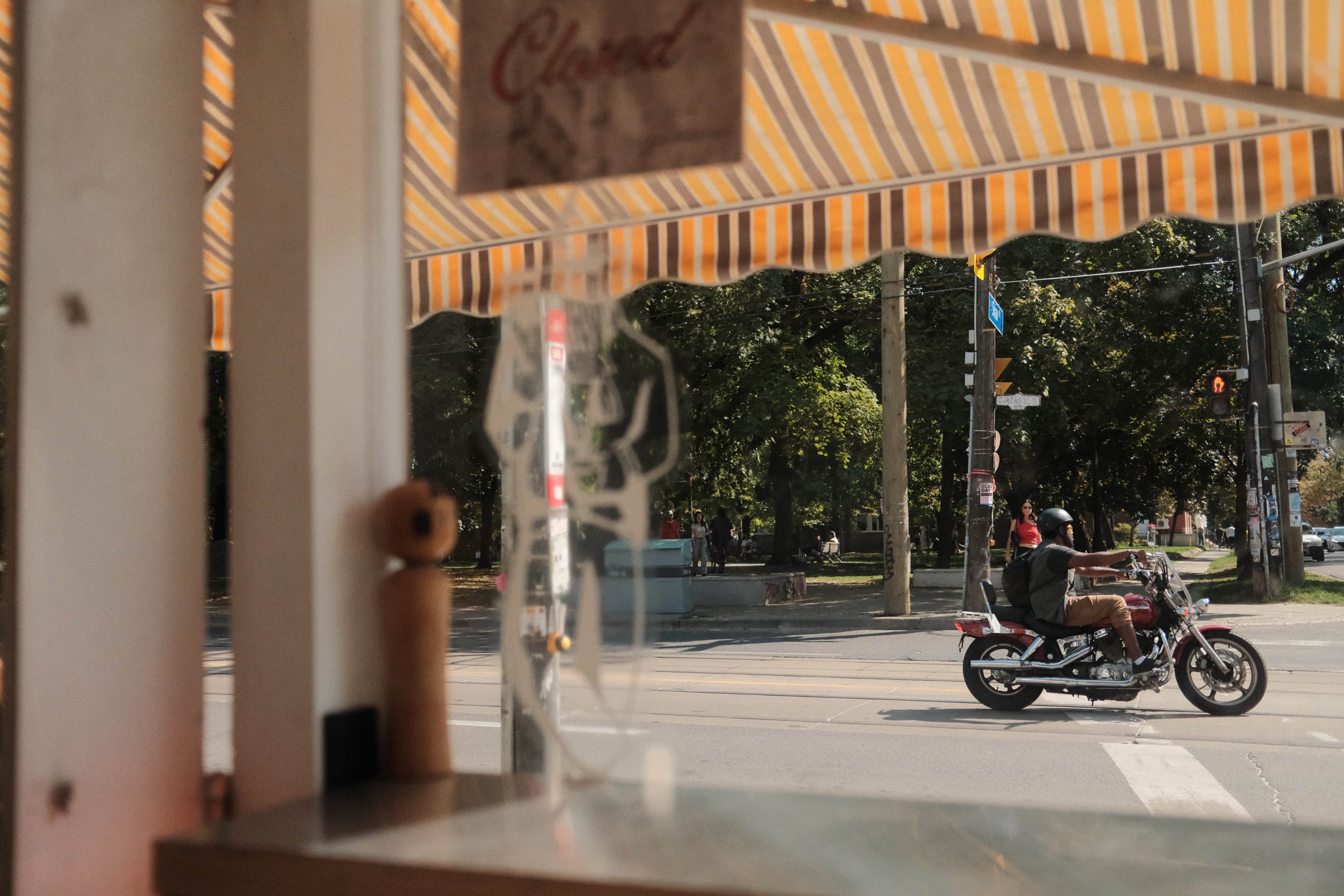
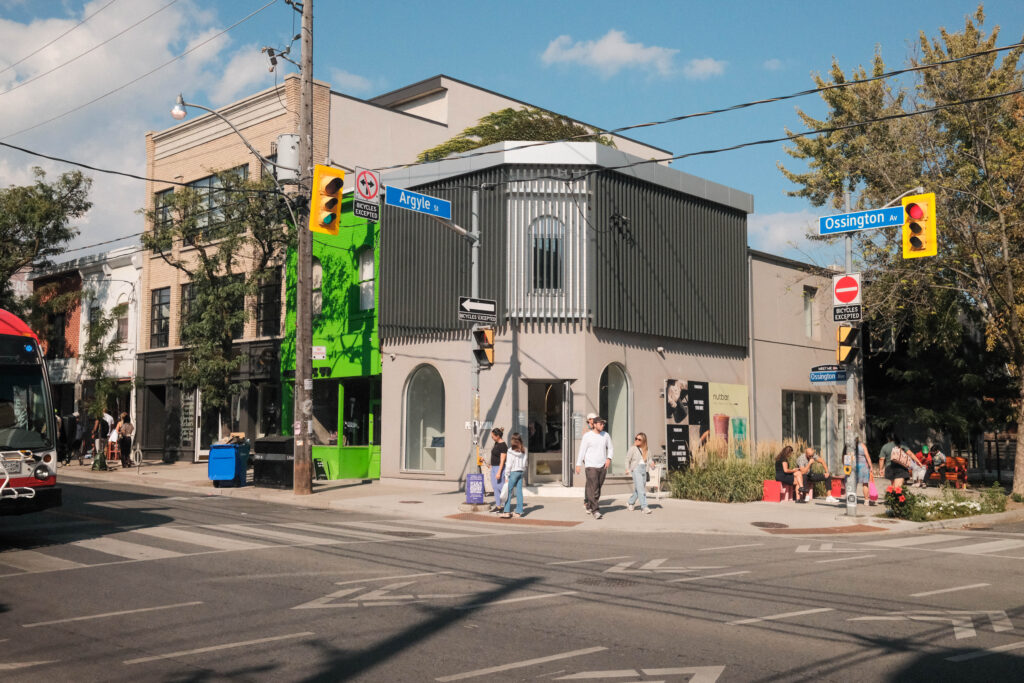
Today, Ossington Avenue reads like a curated backdrop: chef-driven kitchens, artful retail, and queues that form before sunset. Time Out named it one of the coolest streets in the world in 2022, a nod to its cultural cachet and concentrated charm. But walk a few blocks north, or just look down. The rise of this narrow strip is tethered to what’s buried beneath it: Garrison Creek, long diverted and paved over, still shaping the contours of the neighbourhood and the stories that stick. From Creek to Strip in the History of Trinity Bellwoods and Ossington begins here, not with hype, but with topography.
The Lost Geography
Before the sidewalks filled with scent trails of espresso and dry-aged ribeye, the western edge of Toronto was scored by Garrison Creek: a tributary that once flowed from St. Clair down to Fort York. In the mid-1800s, as the city expanded, the creek was slowly channelled into brick sewers, disappearing from view by the early 20th century.
The ravine behind Trinity Bellwoods Park is not a landscaped quirk, but a glacial depression cut by the creek itself. The sunken lawn near Crawford, colloquially known as the “dog bowl,” traces the former creek bed. Its curious slope, beloved by local off-leashers, follows the path of erosion.

Further west, under the quiet canopy of Crawford Street Bridge, the bones of a once-proud triple-span bridge remain intact, buried under parkland, with just its railings exposed like a fossilized ribcage. Most passersby don’t realize they’re walking on a bridge. The city didn’t demolish it; it simply covered it with soil in the 1960s.
The Trinity College Era
Before the dog walkers and tennis matches, the heart of Trinity Bellwoods Park was once an ecclesiastical campus. Trinity College, founded in 1852 by Bishop John Strachan, sought to uphold Anglican orthodoxy against the rising secularism of the University of Toronto. The site featured a Gothic Revival building, built in stone and ecclesiastic symmetry, which stood as a theological counterpoint to the city’s academic liberalism.

The structure dominated the park until the mid-20th century. In 1950, after Trinity federated with the University of Toronto and moved downtown, the college building was razed. Only fragments remain: the grand stone gates at Queen Street, and the former St. Hilda’s College building on Shaw, now converted to apartments. These remnants frame the park not just as a green space, but as a campus-turned-commons.
Today, joggers loop past the gates unaware of their scholastic origin. The park has absorbed its own history, leaving just enough behind for those who know where to look.

Immigrant Heritage
By the 1950s and 60s, the area surrounding Ossington shifted from its Anglo-Protestant roots. Immigrant families, especially from Portugal, settled along Dundas West, shaping a distinct cultural corridor now known as Little Portugal. But it was less a destination than a day-to-day infrastructure: bakeries, butcher shops, tailors, and working-class homes with grapevines in the yards.
The community built tightly-knit networks, where church, café, and club often overlapped. The First Portuguese Canadian Cultural Centre became a hub, and Portuguese-language signage lingered into the early 2000s. In those years, Ossington remained practical. Auto-body shops dominated the strip, and nightlife meant soccer games on TV in low-lit bars.
Civic identity here was quieter. Generational. Tied to maintenance rather than reinvention. But the bones of that heritage still echo. You’ll see an older man reading Correio da Manhã on a bench, tile mosaics in vestibules, the smell of bacalhau at street festivals. The arts may have moved in, but they didn’t arrive from nowhere.
The Ossington Gentrification Timeline
Gentrification here didn’t trickle, it pivoted. In the early 2000s, artists priced out of West Queen West began renting former industrial and garage spaces along Ossington. The turning point came in 2003, when restaurants and bars started transforming the north end of the strip. By 2009, the pace raised alarms. That year, the city imposed an Interim Control Bylaw halting new restaurant licenses on Ossington between Queen and Dundas.

The ban was a brief but telling pause. At stake wasn’t just zoning, but tempo. Residents worried about noise, parking, and the sudden shift from quiet strip to nightlife corridor. When the ban lifted, the change solidified. Auto shops shuttered. Art spaces turned into anchor restaurants. Today, venues like Manita, Paris Paris, and Actinolite serve a clientele that once would have driven past without stopping.
There’s civic memory embedded in the facades: narrow lots, roll-up garage doors, a scale that resists towers. But the economics have changed. What began as an artist-led reclamation now draws global dining press.
Local Lore
Some stories resist development. The white squirrels of Trinity Bellwoods, sightings of which prompt quiet delight or superstition, are a local fixture. While technically albino eastern greys, they’ve become mascots of a sort, printed on tote bags, referenced in bar names, mythologized in casual conversation.
Then there’s the odd dogleg at Dundas and Ossington, a zigzag in the street that seems arbitrary until you trace the history. Dundas, once two roads: Arthur and St. Patrick, was stitched together over time. The bend is a physical memory of that seam, a reminder that Toronto’s grid isn’t as neutral as it looks.
Other traces remain. A faded sign here, a deep front yard there. Ossington’s past still remains, just buried, bridged, and occasionally painted over. From Creek to Strip in the History of Trinity Bellwoods and Ossington plays out in both the grand and granular: buried bridges, vanished institutions, dog-walk detours, and quiet remainders of industry. You don’t need to see the creek to know it still shapes how things flow.
Looking for what’s here now?
Ossington Coffee Guide
Inside the Ossington Edit: A Curated Tour of Toronto’s Premier Shopping District
More west end stories:
An Ossington Wine Crawl for Natural Sips and Patio Moments
How Gladstone House Toronto Got a Modern Makeover
Bread & Belonging at Forno Cultura on Queen